Fabrications in Auburn & Birmingham, AL | Gates Unlimited
Introduction to Fabrication Services in Auburn and Birmingham
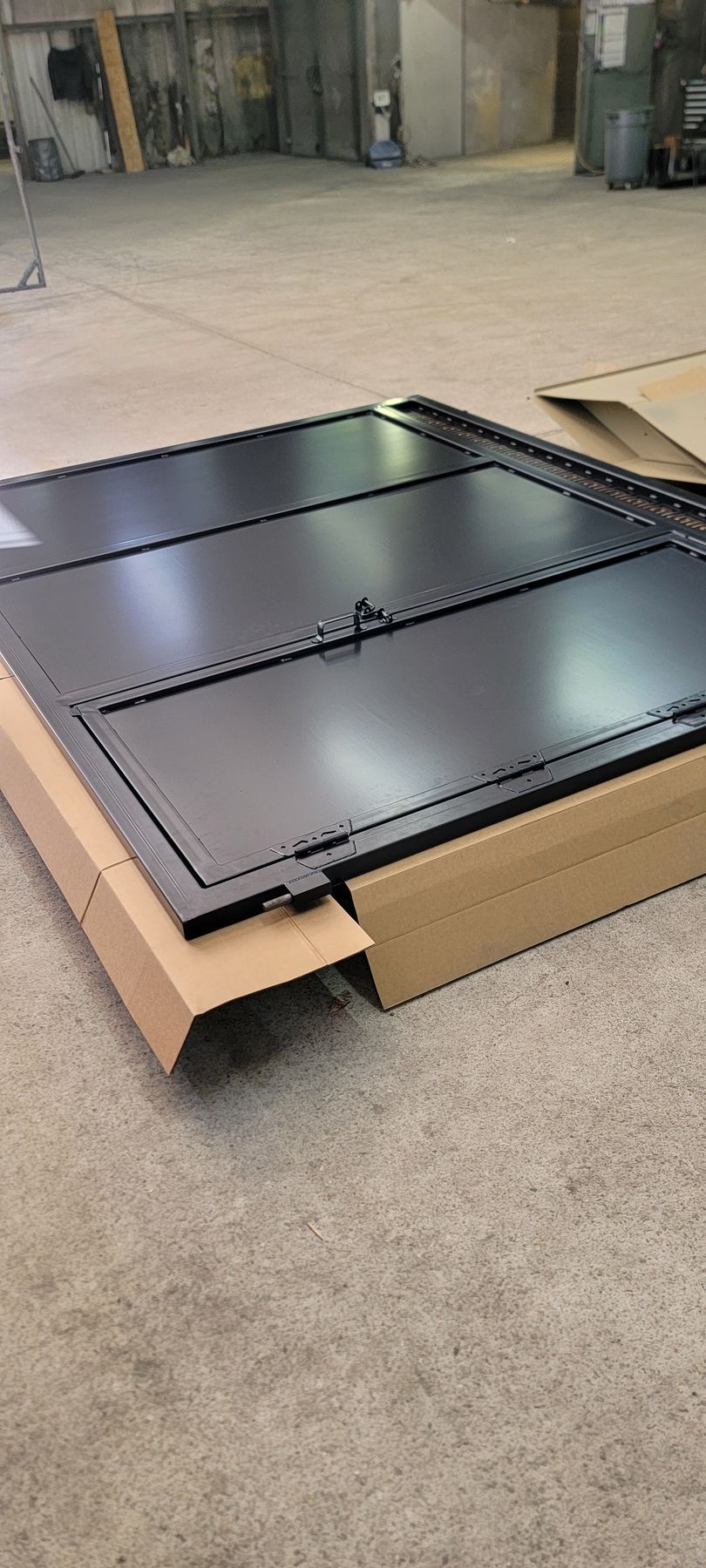
Fabrication services in Auburn and Birmingham, Alabama involve the cutting, shaping, welding, and assembly of metal components used in structural and access control systems. At Gates Unlimited, fabrication work is centered on producing components for gates, entry systems, and supporting structures that require precise engineering and material control.
Fabrication is not limited to final assembly. It includes the complete process of transforming raw metal materials into functional structural elements that are designed to withstand mechanical load, environmental exposure, and repeated operational use. Each fabrication project is developed based on specific dimensional requirements, load expectations, and installation conditions found on residential, commercial, and industrial properties.
In both Auburn and Birmingham, fabrication requirements often vary due to differences in property layouts, terrain conditions, and usage demands. As a result, each fabricated component is produced to match exact specifications rather than relying on standardized or pre-manufactured parts.
Fabrication Planning and Engineering Coordination
Fabrication work begins with structured planning that defines how each metal component will be designed, shaped, and assembled. This stage ensures that all fabricated parts align with structural requirements and operational function.
Measurement and Technical Specification Development
Accurate measurements are collected from the installation site or project blueprint. These measurements determine the exact dimensions required for each fabricated section, including height, width, thickness, and load-bearing points.
Structural Load Analysis
Fabrication planning includes evaluating the expected weight and mechanical stress the structure will experience. This analysis influences material thickness, reinforcement placement, and joint design to ensure long-term stability.
Design Alignment with Functional Requirements
Each fabricated component is designed to serve a specific function within a larger system. Whether forming part of a gate frame, support structure, or hinge assembly, the fabrication design is aligned with operational movement and structural integration needs.
Materials and Metal Fabrication Processes
The fabrication process relies heavily on material selection and precision-based metalworking techniques to achieve structural integrity and durability.
Steel Fabrication for Structural Strength
Steel is commonly used in fabrication due to its high strength-to-weight ratio and ability to support heavy structural loads. It is often used for gate frames, support posts, and reinforcement structures that require long-term stability.
Aluminum Fabrication for Lightweight Applications
Aluminum is used in fabrication projects where corrosion resistance and reduced weight are required. It is commonly applied in systems that involve automated movement or where environmental exposure is a concern.
Cutting and Shaping Techniques
Metal components are shaped using precision cutting and forming methods that ensure accurate dimensions. This includes processes such as controlled cutting, bending, and edge shaping to achieve the required structural form.
Welding and Structural Bonding
Welding is used to join fabricated components into a unified structure. This process ensures that joints maintain strength under mechanical stress and repeated operational movement.
Structural Fabrication for Gate Systems
A significant portion of fabrication work in Auburn and Birmingham is focused on producing structural components for gate systems and access control installations.
Gate Frame Fabrication
Gate frames are fabricated to serve as the primary structural base for swinging or sliding systems. These frames are engineered to maintain alignment and support operational movement without deformation under load.
Support Structure Fabrication
Support posts, brackets, and anchoring components are fabricated to stabilize gate systems. These structures ensure that gates remain properly aligned during repeated opening and closing cycles.
Reinforcement Component Fabrication
Reinforcement elements are added to high-stress areas of gate structures. These components help distribute weight evenly and reduce strain on mechanical joints and movement systems.
Custom Architectural Metal Fabrication
In some residential and commercial applications, fabrication includes decorative or architectural metalwork integrated into gate or entry system designs. These components must balance structural function with design requirements.
Fabrication Workflow and On-Site Integration
Fabricated components are prepared through a controlled workflow that ensures accuracy from production to installation in Auburn and Birmingham projects.
Component Assembly Preparation
Once individual metal parts are fabricated, they are prepared for assembly. This includes alignment verification, pre-fitting, and structural adjustment to ensure proper integration during installation.
Transport and Site Coordination
Fabricated elements are transported to the installation site where final assembly takes place. Coordination ensures that components match on-site measurements and structural conditions.
On-Site Structural Integration
Fabricated components are installed and integrated into the larger gate or structural system. This step involves aligning frames, securing support structures, and connecting mechanical or automated systems where applicable.
Final Structural Alignment and Adjustment
After installation, fabricated systems undergo alignment verification to ensure that all components operate smoothly under load and movement conditions.
Fabrication Quality Control and Structural Performance
Fabrication work must meet strict structural and dimensional standards to ensure long-term performance in real-world conditions.
Dimensional Accuracy Verification
Each fabricated component is checked against original measurements to ensure proper fit and alignment within the overall structure.
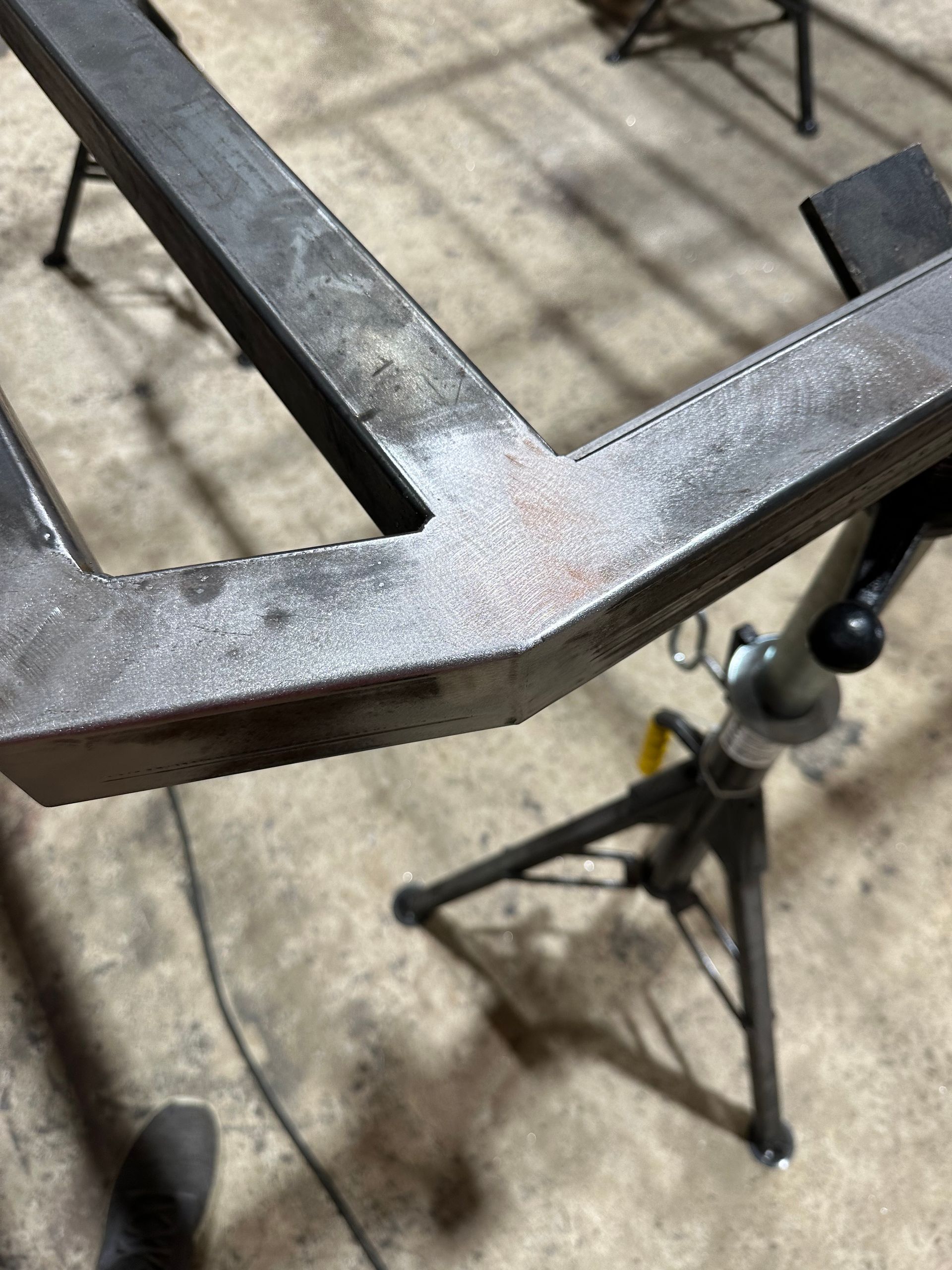
Weld Integrity and Joint Stability
Welded joints are inspected to confirm that they maintain structural strength and can withstand repeated mechanical stress without failure.
Material Consistency and Strength Evaluation
Materials used in fabrication are assessed for consistency and performance characteristics, ensuring they meet required load-bearing and environmental resistance standards.
Long-Term Performance of Fabricated Structures
Fabricated metal systems used in gates and structural applications are designed to maintain stability and function over extended periods of use in Auburn and Birmingham environments.
Structural Durability Under Repeated Use
Fabricated components are exposed to continuous mechanical movement in gate systems, requiring resistance to fatigue and deformation over time.
Environmental Resistance in Alabama Conditions
Humidity, rainfall, and temperature variation in Alabama can affect metal performance. Fabrication processes include material selection and finishing techniques that help reduce corrosion and surface degradation.
Maintenance Considerations for Fabricated Systems
Over time, fabricated structures may require inspection to ensure welds, joints, and support components remain in stable condition and continue to perform as intended.
Contact Gates Unlimited today to request a quote
Fabrication services in Auburn and Birmingham, AL provided by Gates Unlimited focus on the creation of precision-engineered metal components used in structural and gate systems. Each fabrication process is developed to ensure dimensional accuracy, material strength, and long-term structural performance across residential, commercial, and industrial applications.