Welding in Auburn & Birmingham, AL | Gates Unlimited
Introduction to Welding Services in Auburn and Birmingham
Welding services in Auburn and Birmingham, Alabama involve the permanent joining, repair, and reinforcement of metal components used in structural, residential, commercial, and industrial applications. At Gates Unlimited, welding is a core process used in gate systems, metal fabrication, structural repairs, and custom metal construction projects.
Welding plays a critical role in ensuring that metal assemblies maintain strength under load, resist separation under stress, and function reliably in both static and moving structures. In applications such as gates and access systems, welding directly impacts durability, alignment, and long-term operational safety.
Because properties in Auburn and Birmingham are exposed to varying weather conditions, welding work must also account for corrosion resistance, thermal expansion, and long-term material stability.
Welding Applications in Structural and Gate Systems
Welding is widely used across multiple types of metal structures, particularly where strength and permanence are required. In gate systems and fabrication work, welding serves as the foundation for structural integrity.
Gate Frame Welding and Assembly
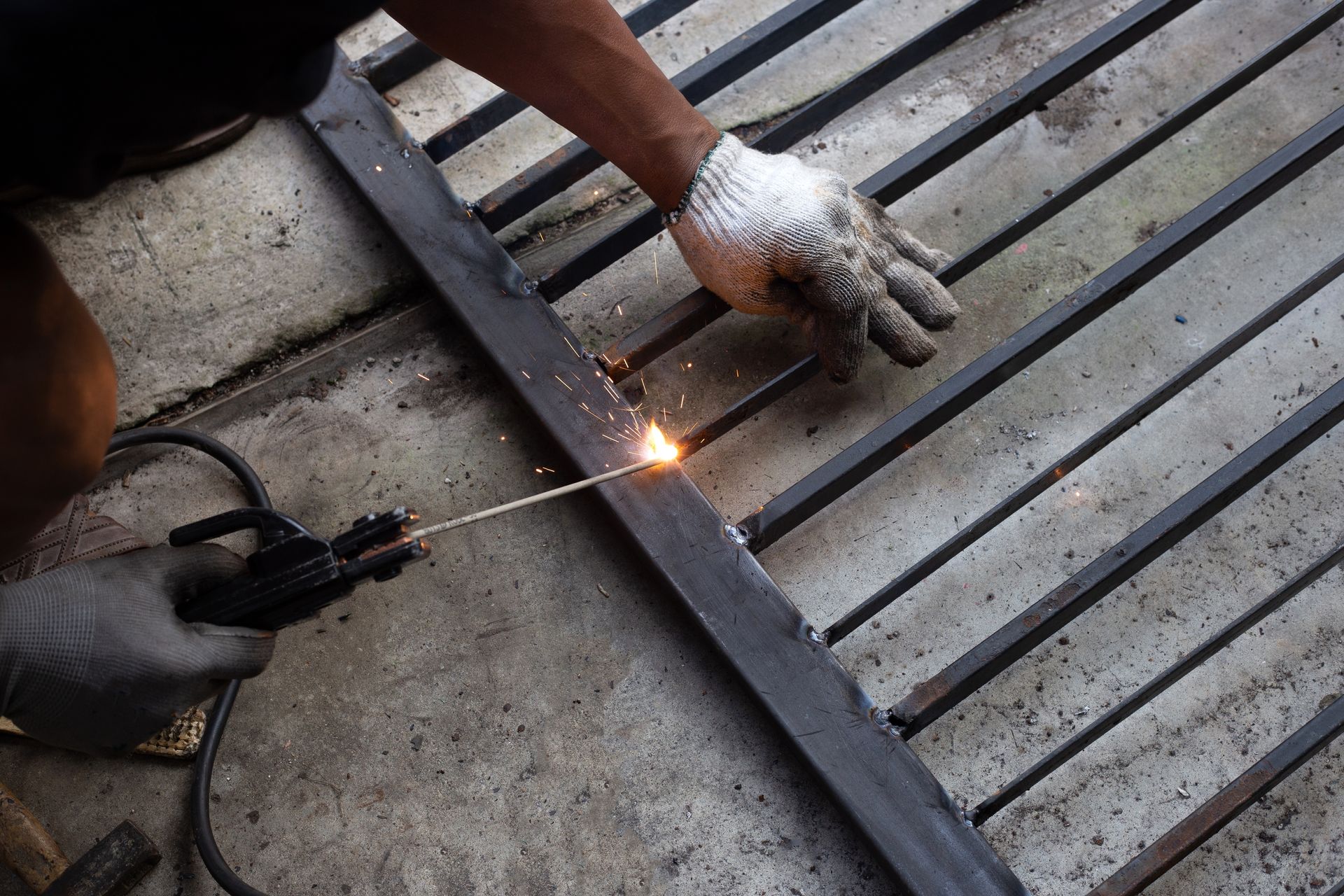
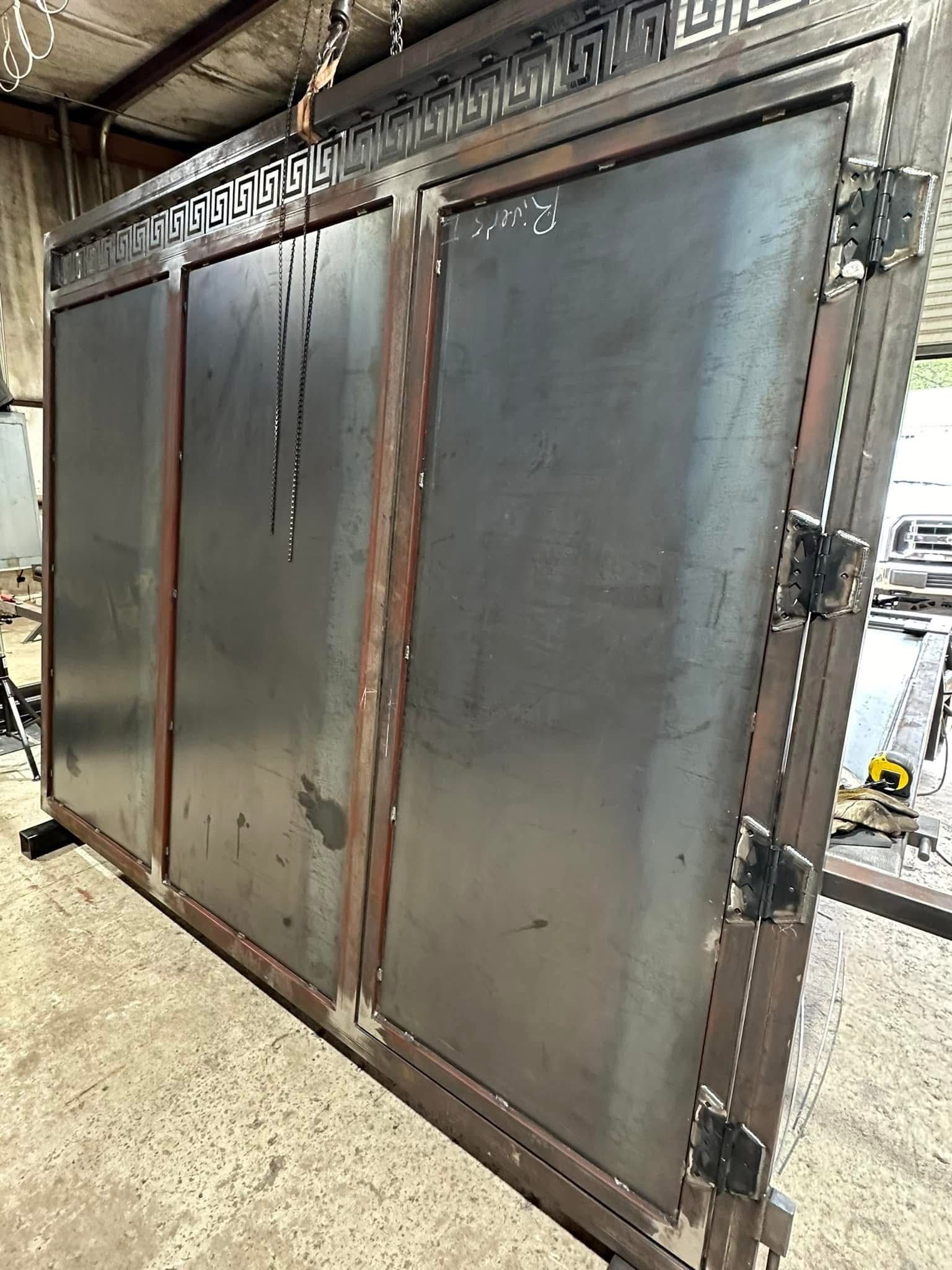
Gate frames rely heavily on welding to connect horizontal and vertical members into a stable structure. These welds ensure that the gate maintains shape and alignment during repeated opening and closing cycles.
Structural Support Welding
Support posts, brackets, and reinforcement components are welded to provide stability for heavy or automated gate systems. These welded joints distribute weight evenly and reduce structural stress points.
Metal Repair Welding Applications
Welding is used to repair broken, cracked, or weakened metal components. This includes restoring damaged gate sections, reinforcing failing joints, and rebuilding structural integrity in worn systems.
Types of Welding Processes Used
Different welding methods are applied depending on material type, structural requirements, and application environment.
MIG Welding for General Fabrication
MIG (Metal Inert Gas) welding is commonly used for fabrication and gate construction due to its efficiency and versatility. It is suitable for steel and aluminum components used in residential and commercial systems.
TIG Welding for Precision Work
TIG (Tungsten Inert Gas) welding is used when precision and clean weld appearance are required. This method is often applied in detailed fabrication work and structural components that require fine control.
Arc Welding for Heavy-Duty Applications
Arc welding is used for high-strength applications involving thick materials and heavy structural loads. It is commonly used in industrial gate systems and reinforcement structures.
Welding in Gate Fabrication and Installation
Welding is a critical stage in the fabrication and installation of gate systems across Auburn and Birmingham properties.
Structural Frame Construction
Welding is used to assemble gate frames from individual metal sections. These welded connections ensure that the structure remains rigid and properly aligned during operation.
Hinge and Hardware Integration
Hinges, brackets, and mounting hardware are welded to gate structures to ensure secure attachment points. Proper welding in these areas is essential for smooth movement and load distribution.
Reinforcement Welding for Load Stability
Reinforcement welds are applied in high-stress areas of gate systems to prevent bending, sagging, or joint failure over time.
Welding Repair and Restoration Services
Welding is frequently used to restore damaged or worn metal structures, particularly in gates and access systems exposed to long-term use and environmental conditions.
Crack and Fracture Repair Welding
Metal components that develop cracks due to stress or fatigue can be repaired through welding techniques that restore structural continuity and strength.
Corrosion Damage Restoration
In environments like Auburn and Birmingham, moisture exposure can lead to rust and corrosion. Welding repairs often involve cutting out damaged sections and replacing them with newly welded material.
Joint Reinforcement Welding
Existing welds that show signs of weakening can be reinforced with additional welding to restore load-bearing capacity and improve durability.
Materials Used in Welding Applications
Welding performance depends heavily on the type of metal being joined and its structural characteristics.
Steel Welding Applications
Steel is the most common material used in welding for gate systems and structural fabrication due to its strength and versatility. It allows for strong, durable joints suitable for heavy loads.
Aluminum Welding Applications
Aluminum welding is used in lightweight structures and automated gate systems. It requires specialized techniques due to aluminum’s thermal conductivity and oxidation properties.
Mixed-Material Welding Considerations
In some fabrication projects, different metals are combined, requiring careful welding techniques to ensure compatibility and structural stability between materials.
Welding Process Workflow in Auburn and Birmingham Projects
Welding projects follow a structured workflow to ensure precision, strength, and long-term reliability.
Preparation and Surface Cleaning
Before welding begins, metal surfaces are cleaned and prepared to remove rust, paint, or contaminants that could affect weld quality.
Joint Alignment and Positioning
Metal components are aligned and secured in place to ensure proper fit and structural accuracy before welding begins.
Welding Execution and Bond Formation
Welding is performed using the appropriate method based on material and structural requirements. This step forms a permanent bond between metal components.
Post-Weld Inspection and Finishing
After welding, joints are inspected for strength, consistency, and structural integrity. Finishing processes may be applied to smooth surfaces and protect against corrosion.
Structural Performance and Long-Term Durability
Welded structures are designed to maintain strength and stability over long periods of use, especially in environments with mechanical stress and weather exposure.
Load-Bearing Stability
Properly executed welds ensure that structures can support weight and mechanical force without separation or deformation.
Resistance to Environmental Conditions
Welded joints in Auburn and Birmingham must withstand humidity, rainfall, and temperature variation. Protective treatments help extend weld lifespan.
Mechanical Stress Endurance
In moving systems such as gates, welds must endure repeated motion cycles without weakening or cracking over time.
Maintenance and Inspection of Welded Structures
Ongoing maintenance is important to ensure welded systems continue performing safely and effectively.
Weld Integrity Inspections
Regular inspections identify early signs of wear, cracking, or corrosion in welded joints.
Structural Reinforcement Maintenance
Where needed, additional welding or reinforcement is applied to maintain structural strength over time.
Corrosion Prevention Measures
Protective coatings and treatments are used to prevent rust and environmental damage to welded areas.
Contact Gates Unlimited today to request a quote
Welding services in Auburn and Birmingham, AL provided by Gates Unlimited focus on strong, precise, and durable metal joining techniques used in fabrication, gate systems, and structural repair. Each welding application is designed to support long-term performance, structural integrity, and reliable operation across residential, commercial, and industrial environments.